Sensitive Regeneration within the Laxey Conservation Area
Category: Project Overview
Designing within a conservation area requires careful judgement about what should be retained, what can be adapted, and where contemporary intervention is appropriate. At the Shore Hotel in Laxey, the primary aim was to respect the building’s established presence within the village while addressing a series of alterations that had accumulated over time.
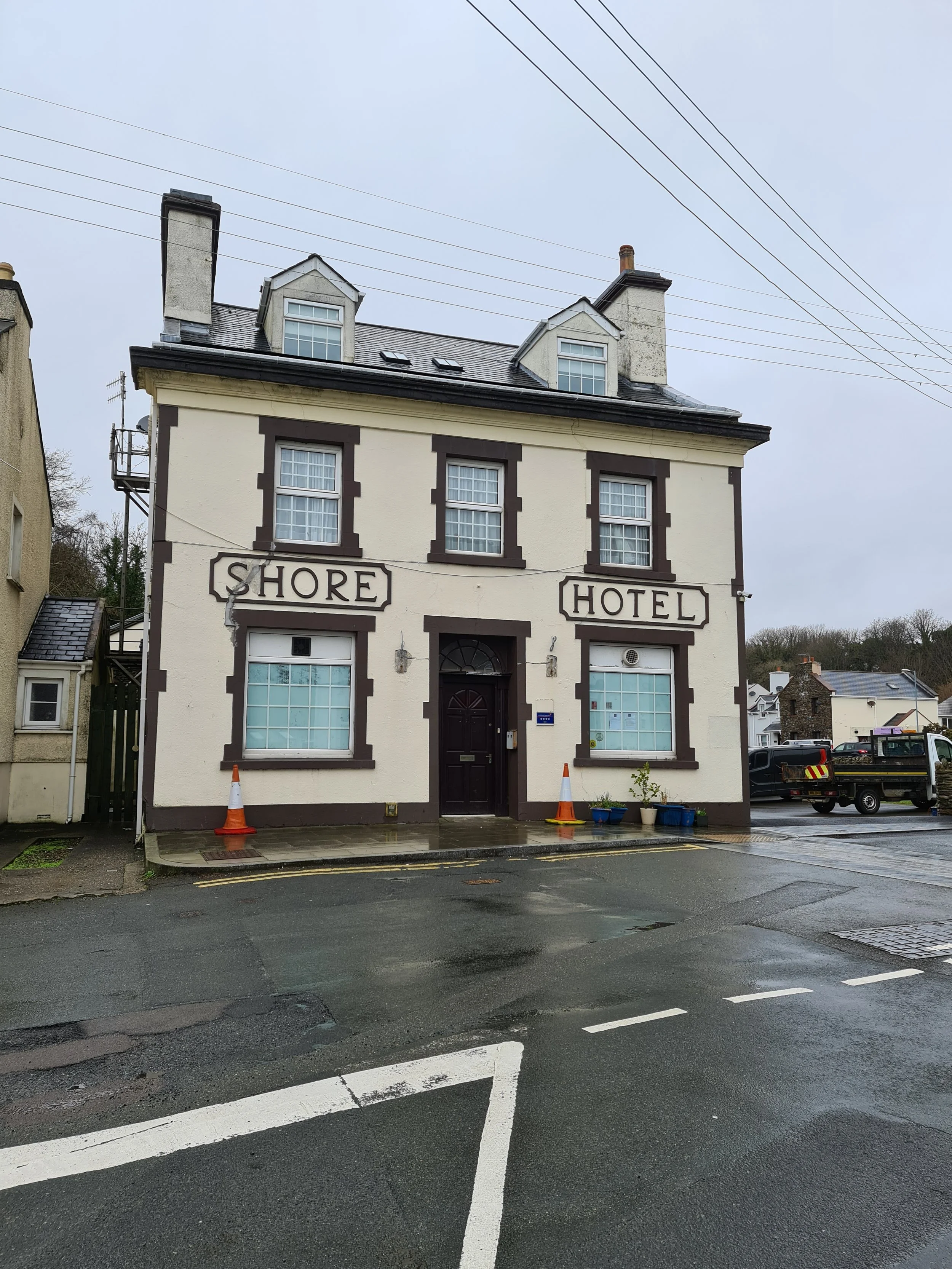
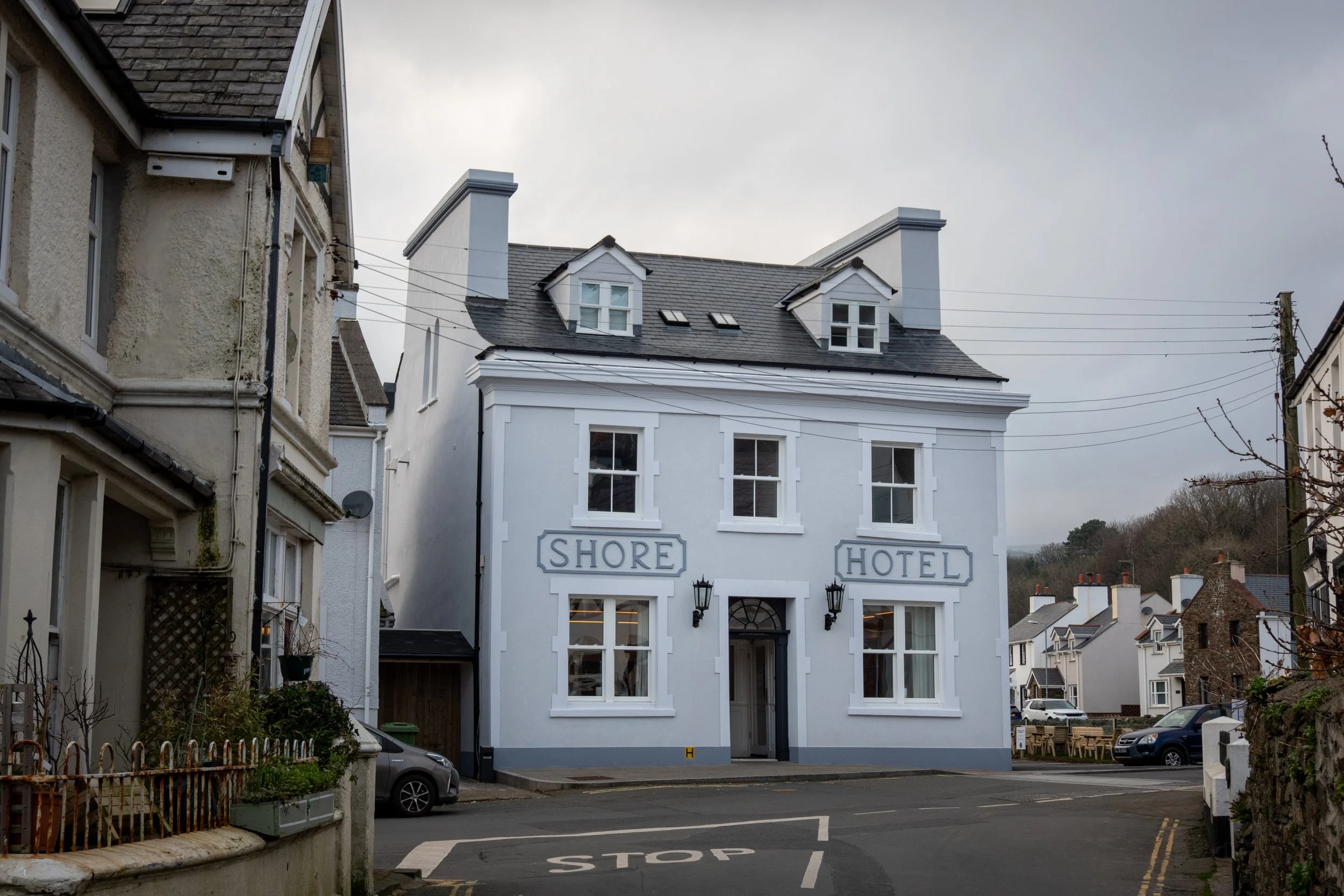
The road‑facing elevation of the pub forms an important part of the Laxey streetscape and was therefore retained and enhanced with minimal intervention. Historic research into earlier photographs of the building informed the reinstatement of architectural features that more closely reflect its original character. This included the use of window proportions that align with historic fenestration patterns, a consistent rendered finish, conservation rooflights and a slate roof, all of which help reinforce the building’s traditional appearance and ensure it remains in keeping with the conservation area.
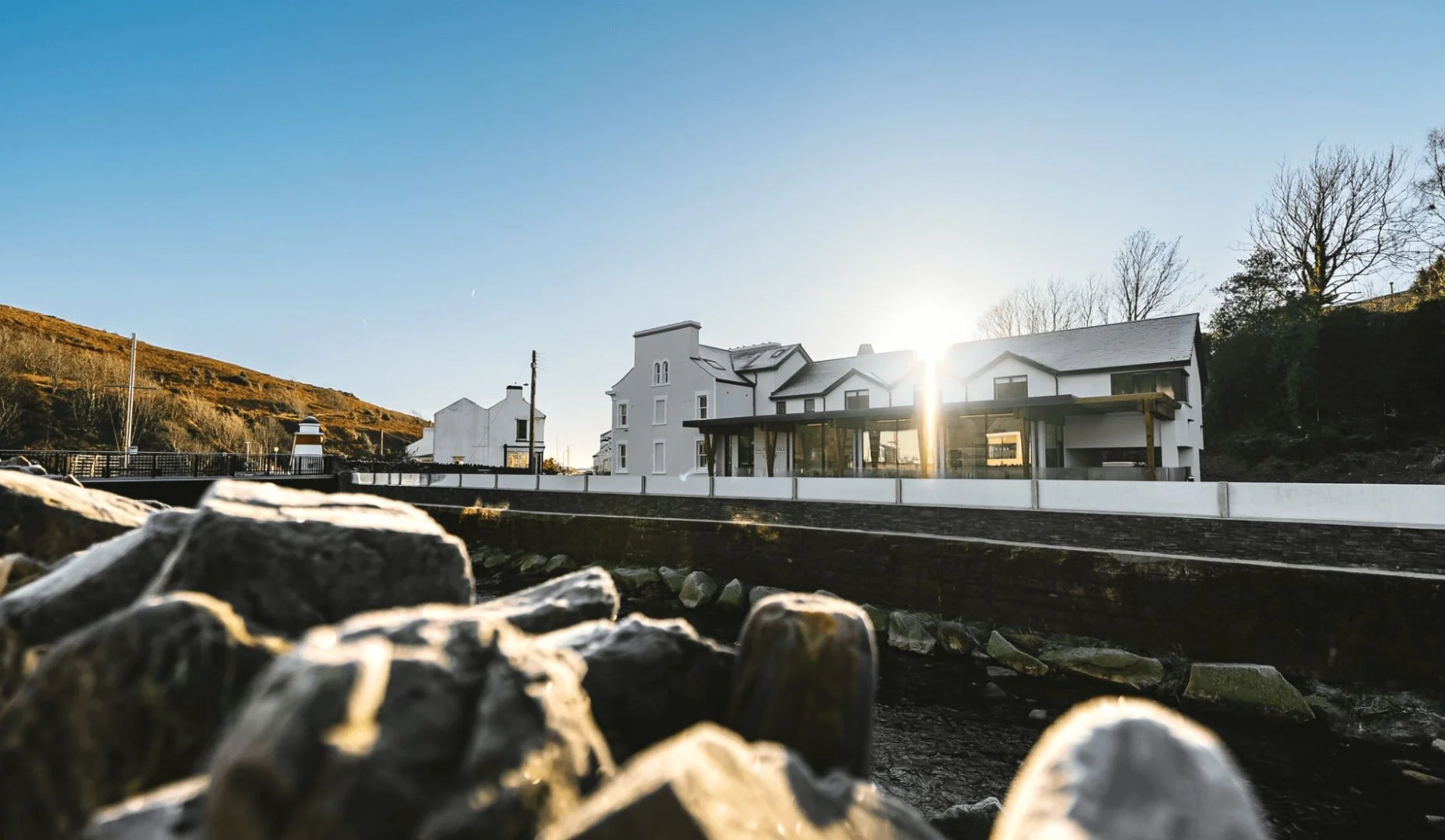
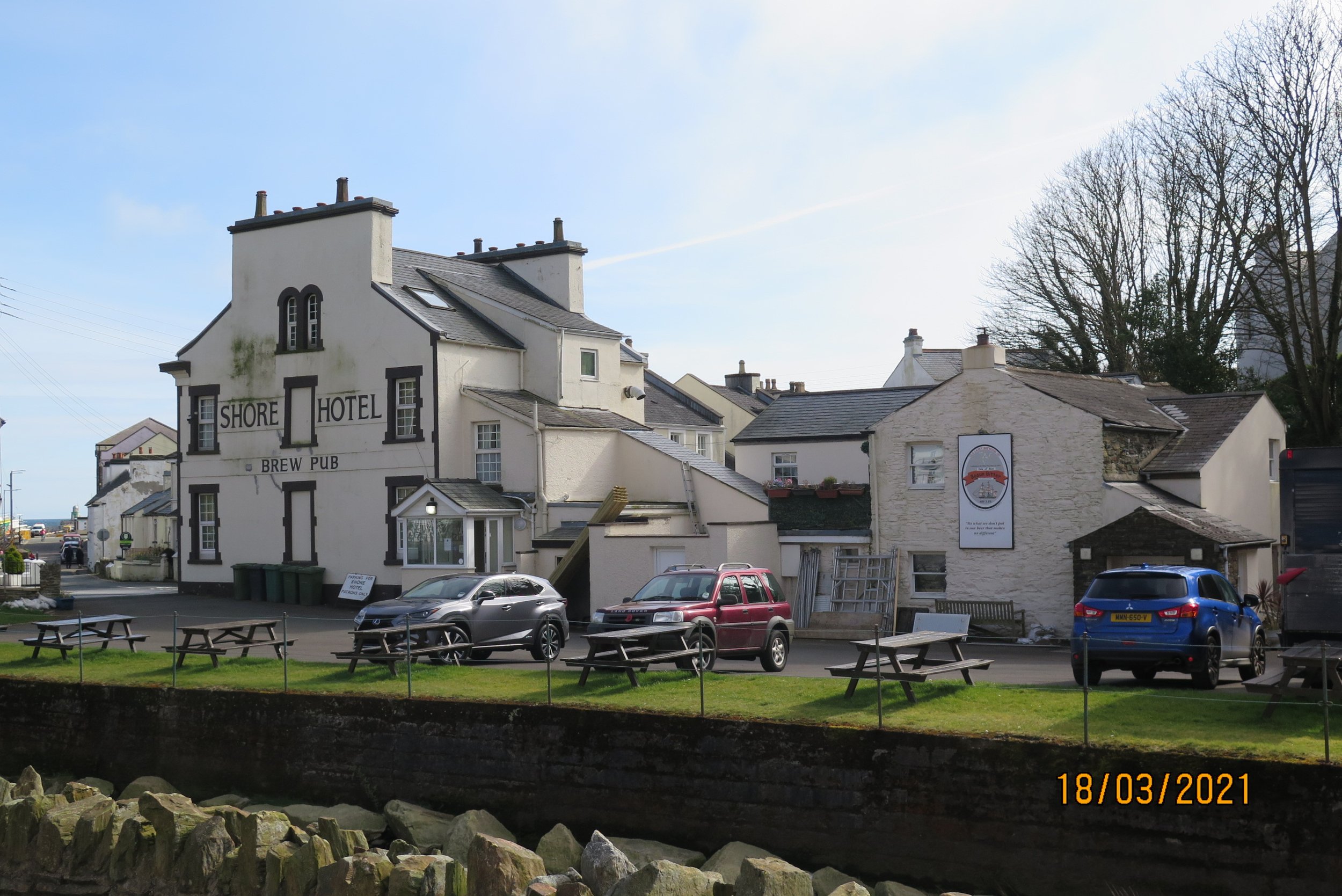
In contrast, the rear of the building had become defined by a collection of mismatched outbuildings and extensions, added incrementally and constructed using a mix of flat roofs, modern materials and exposed services. These structures were visually intrusive, compromised the setting of the original pub, and detracted from views along the river and nearby public routes. Their demolition provided the opportunity to rationalise the site and replace this disjointed arrangement with a more coherent and considered architectural form.
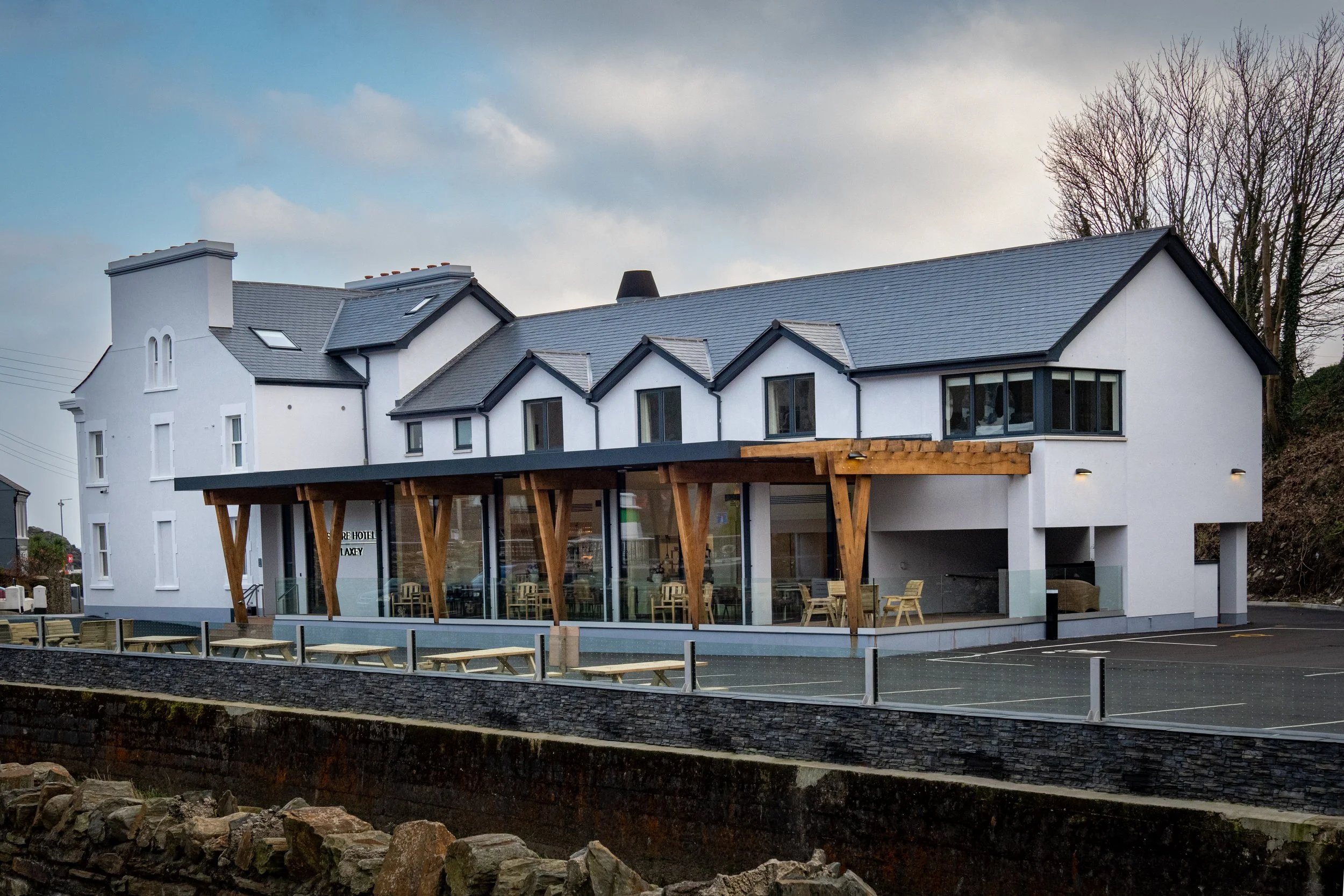
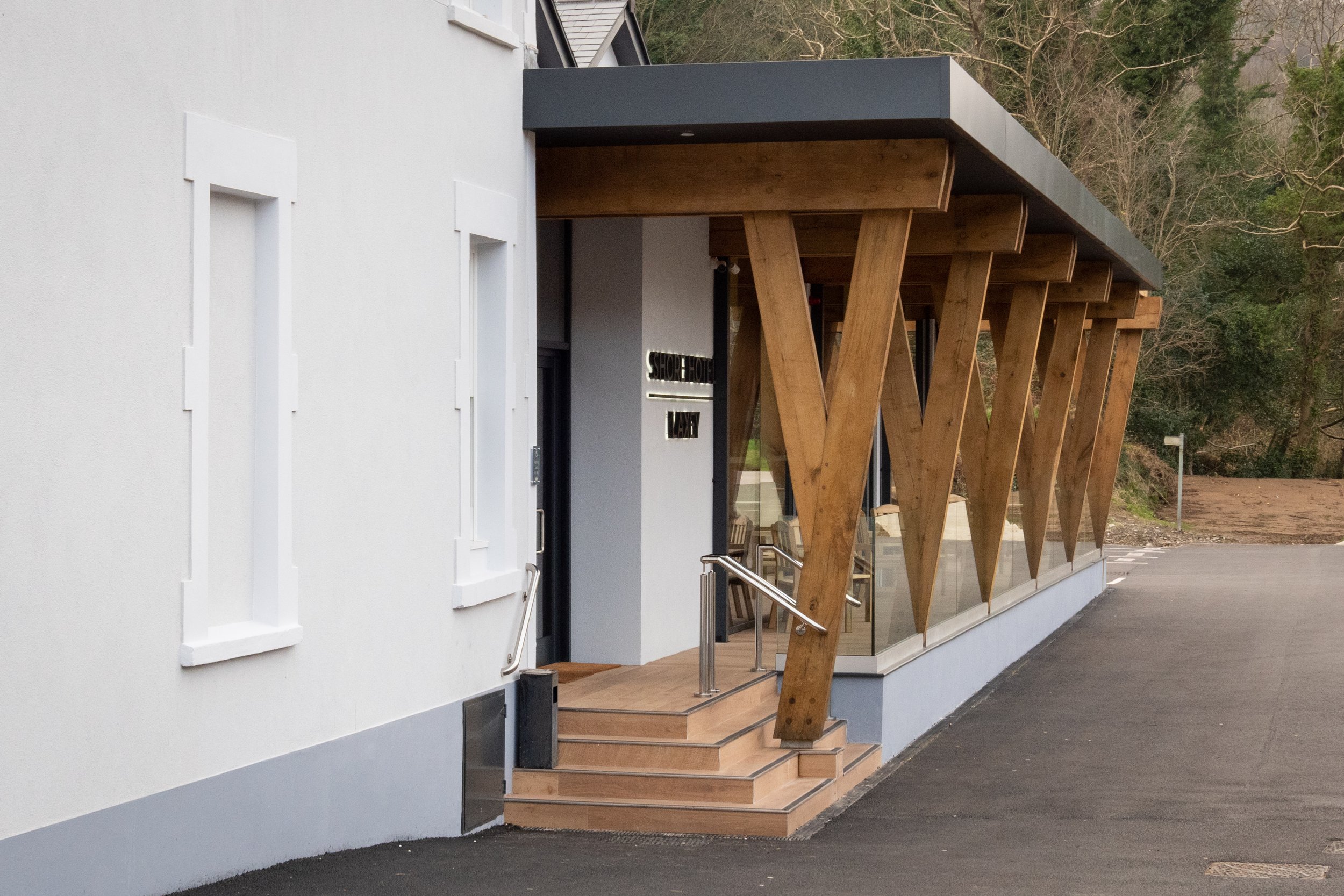
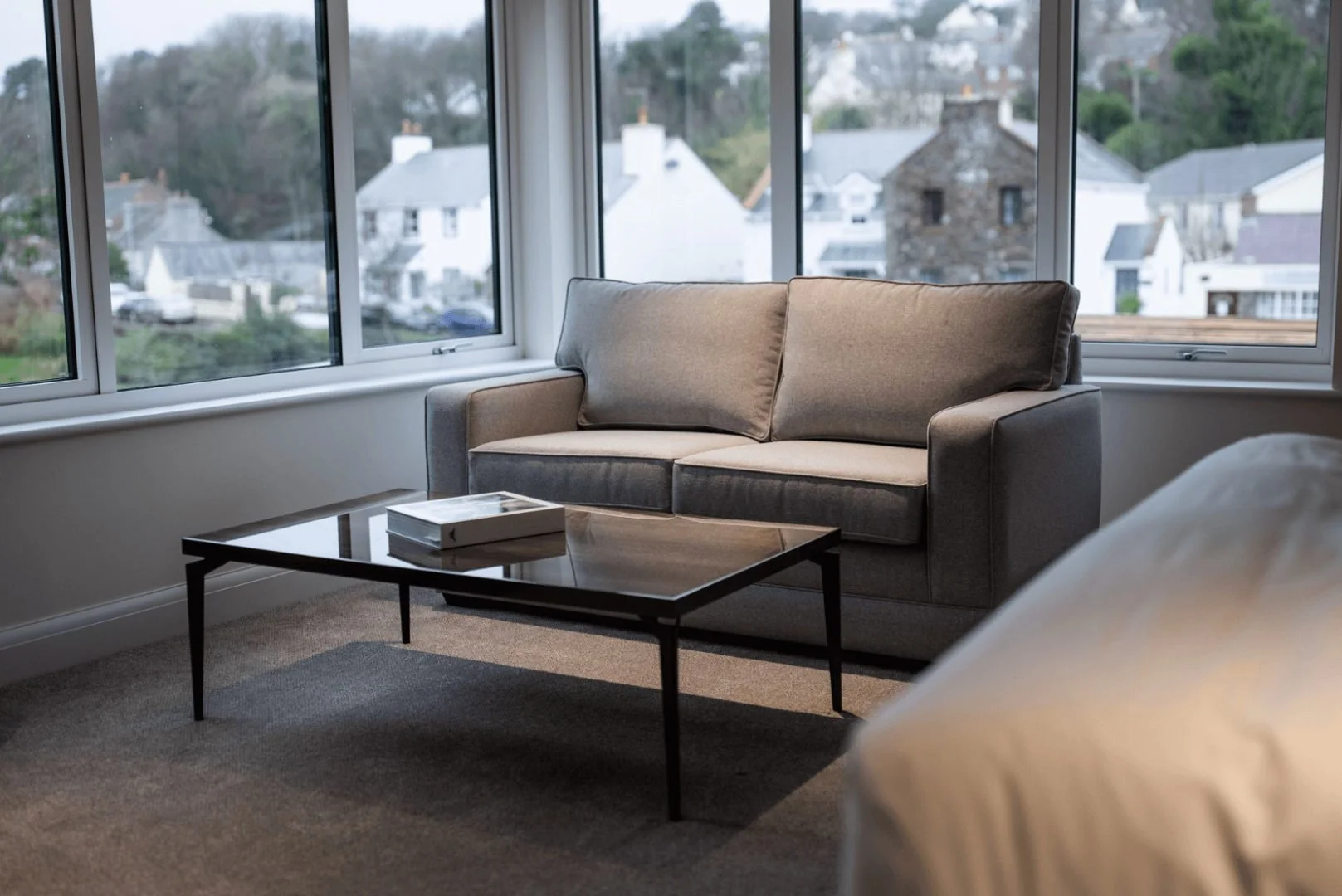
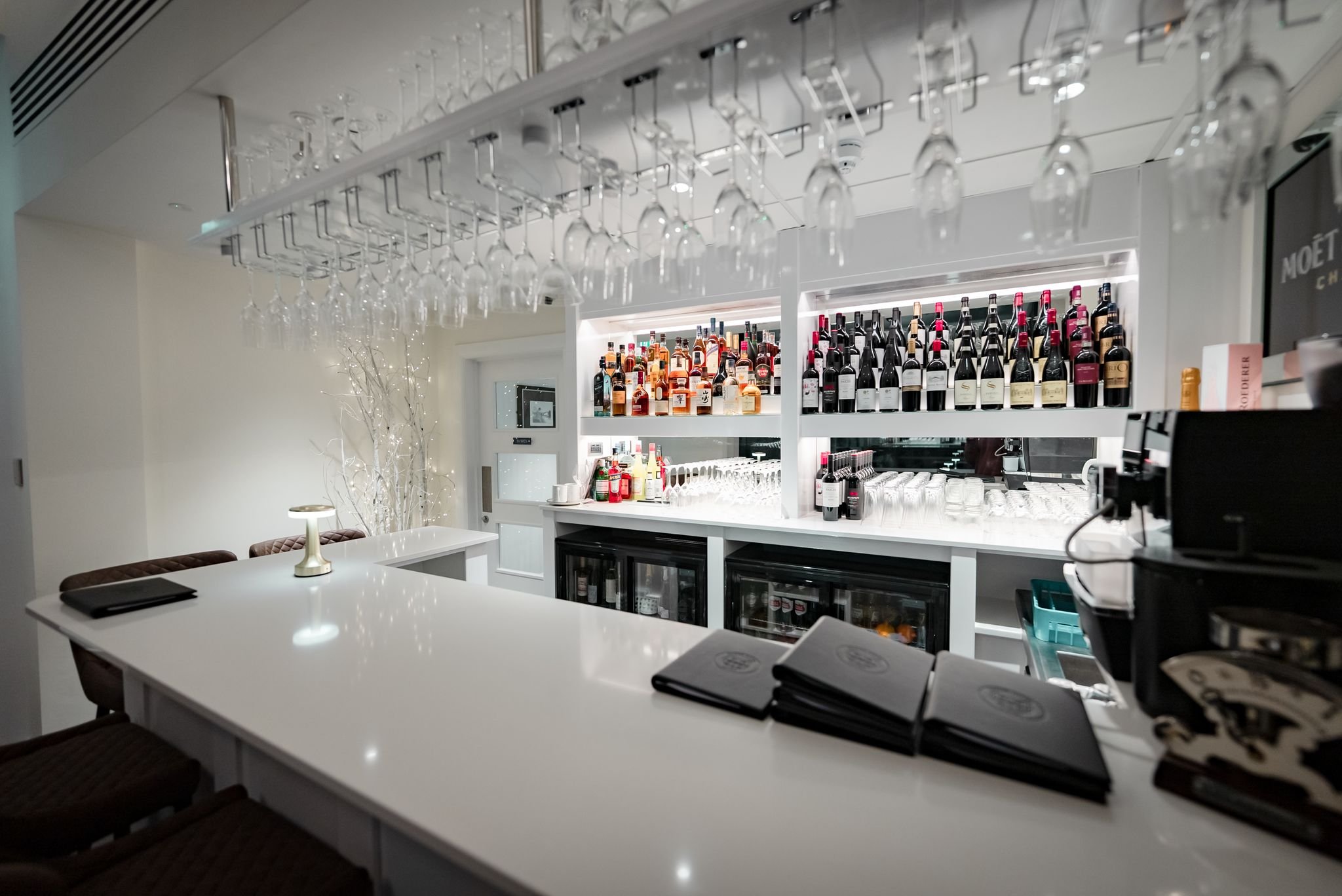
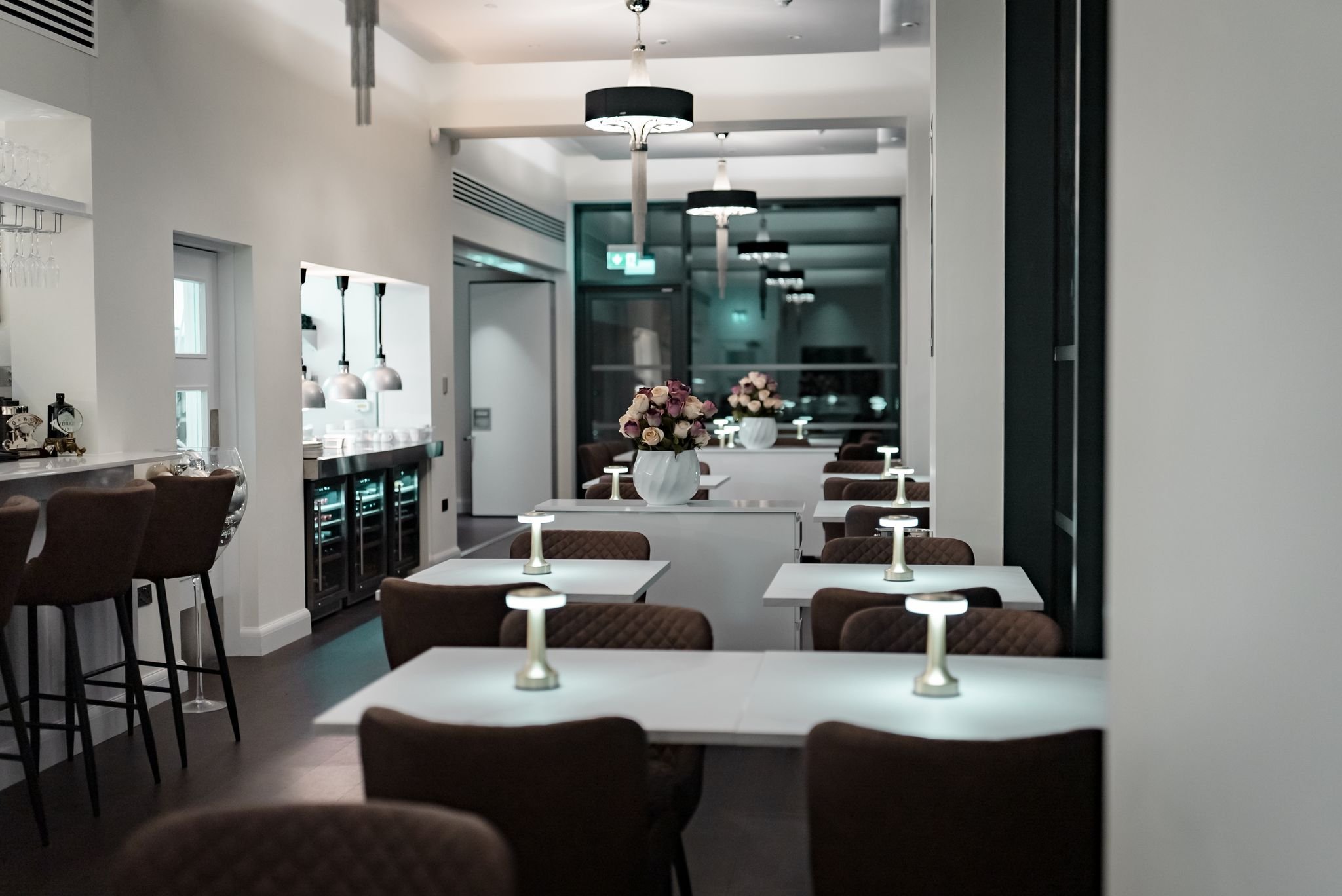
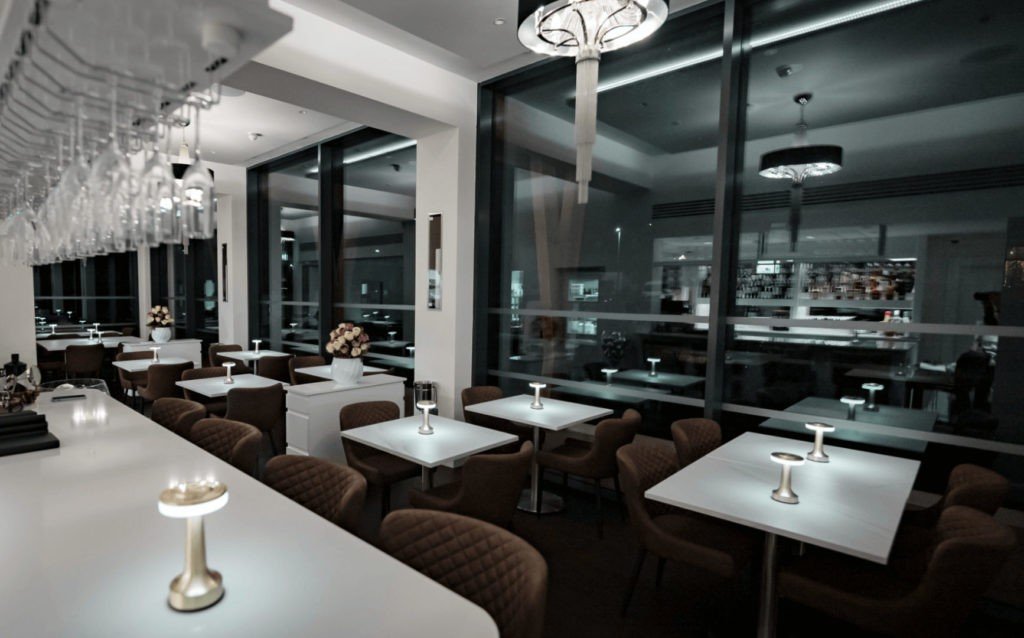
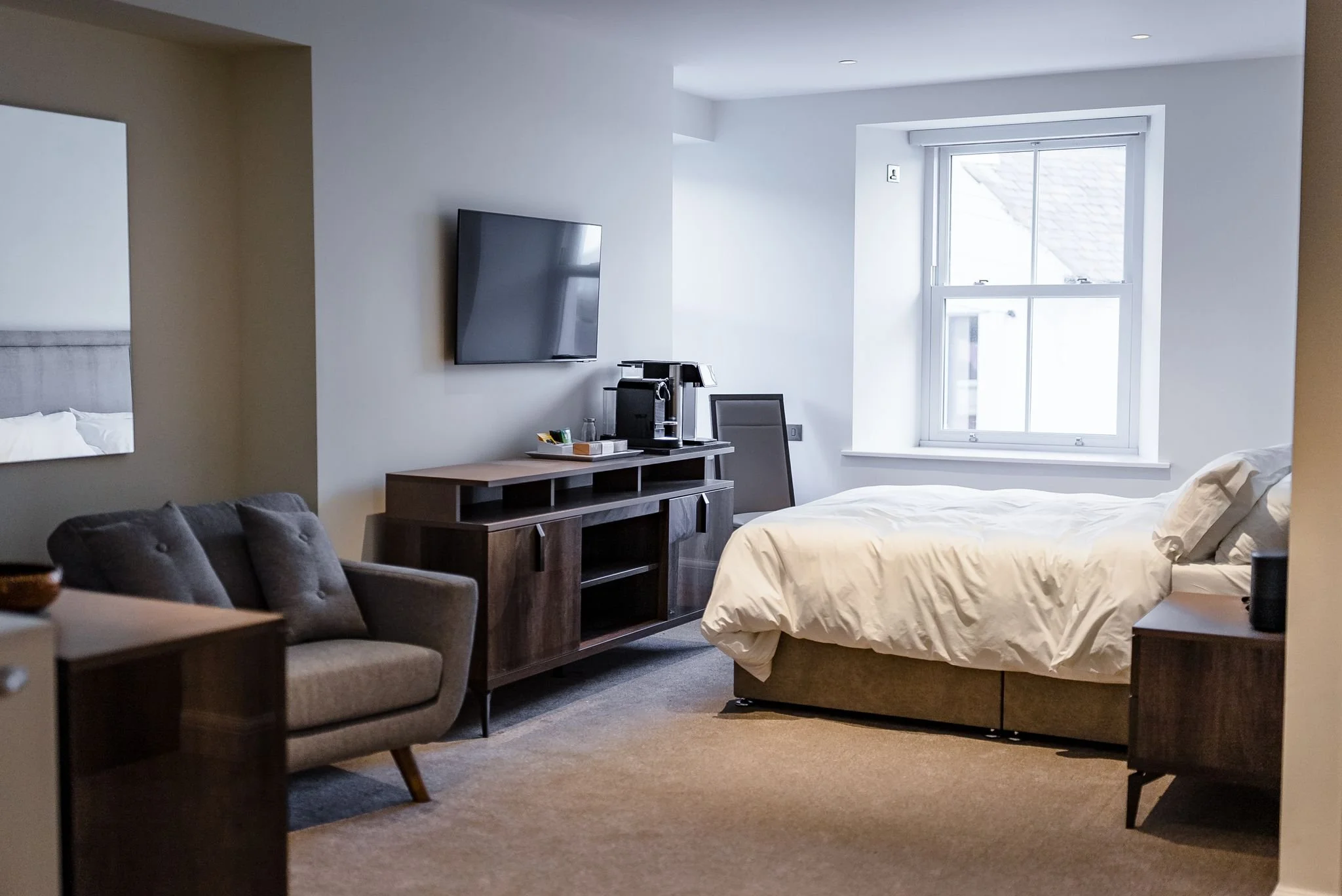
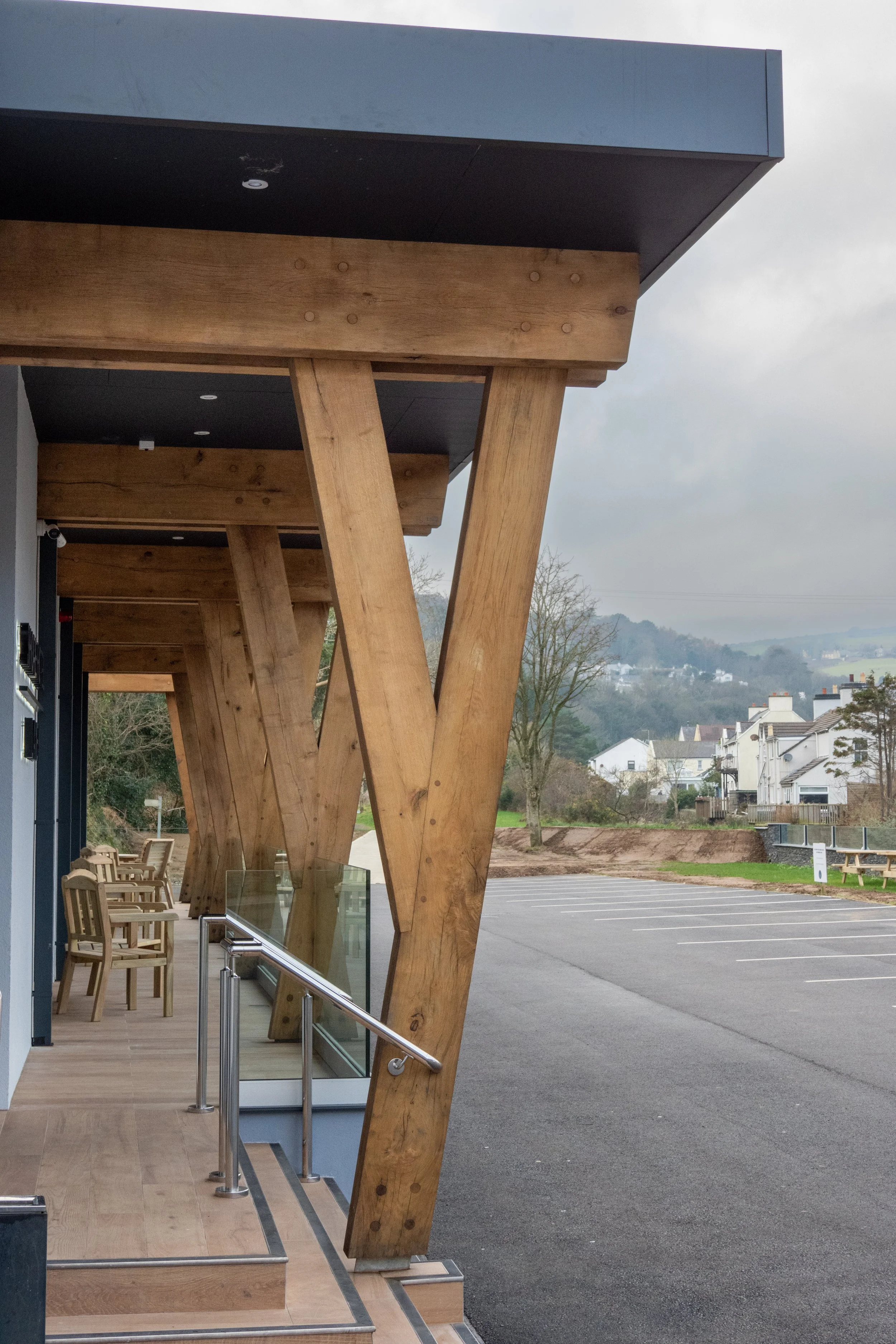
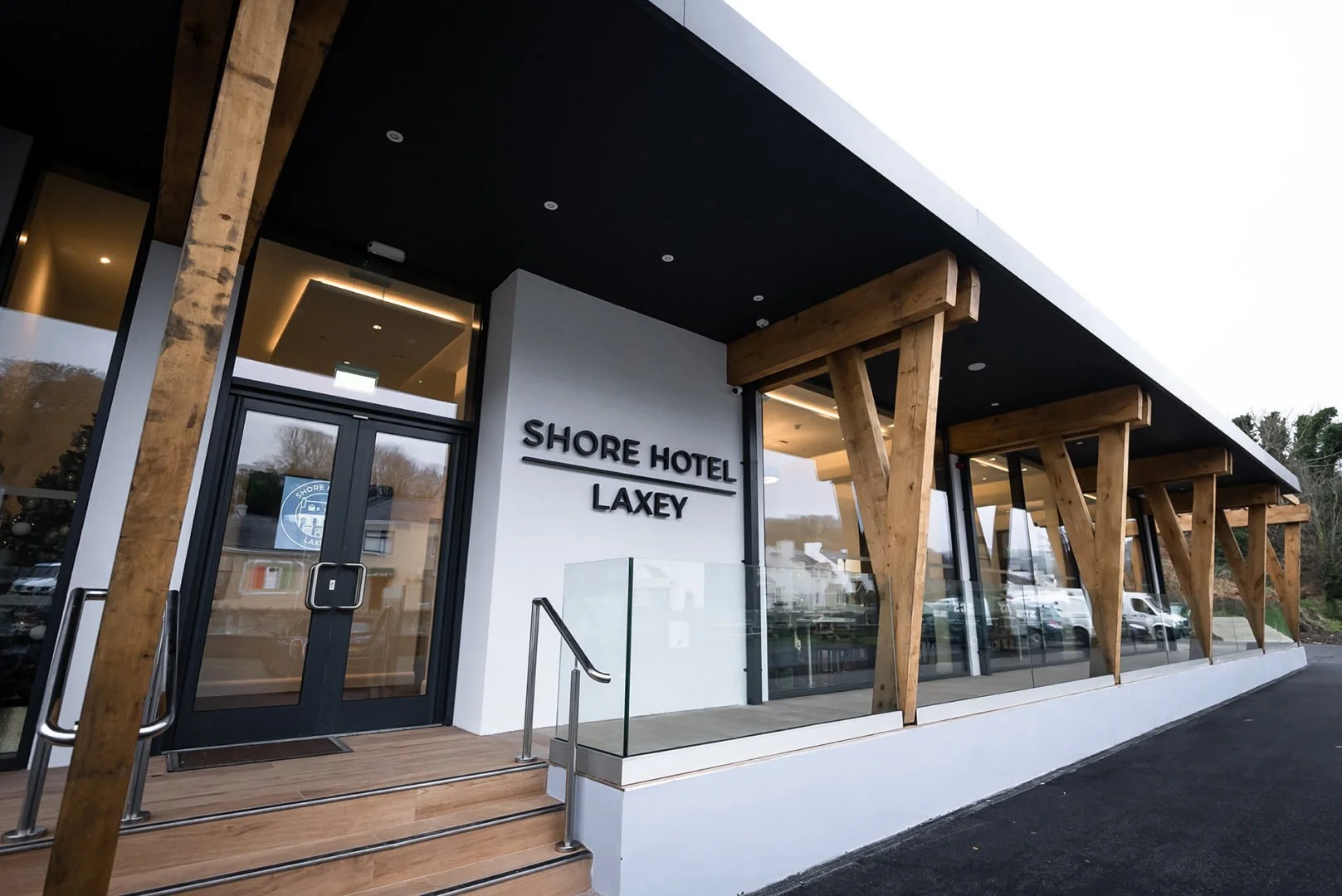
The new restaurant and accommodation spaces are therefore expressed as contemporary additions, with increased glazing and simplified roof forms creating bright, open interiors and stronger connections to the river and surrounding landscape. While modern in design, these elements continue to draw on traditional materials, including slate roofing and exposed timber structure, maintaining a clear relationship with the existing building. This approach allows the development to remain well integrated with its surroundings, while accommodating modern uses and expectations.
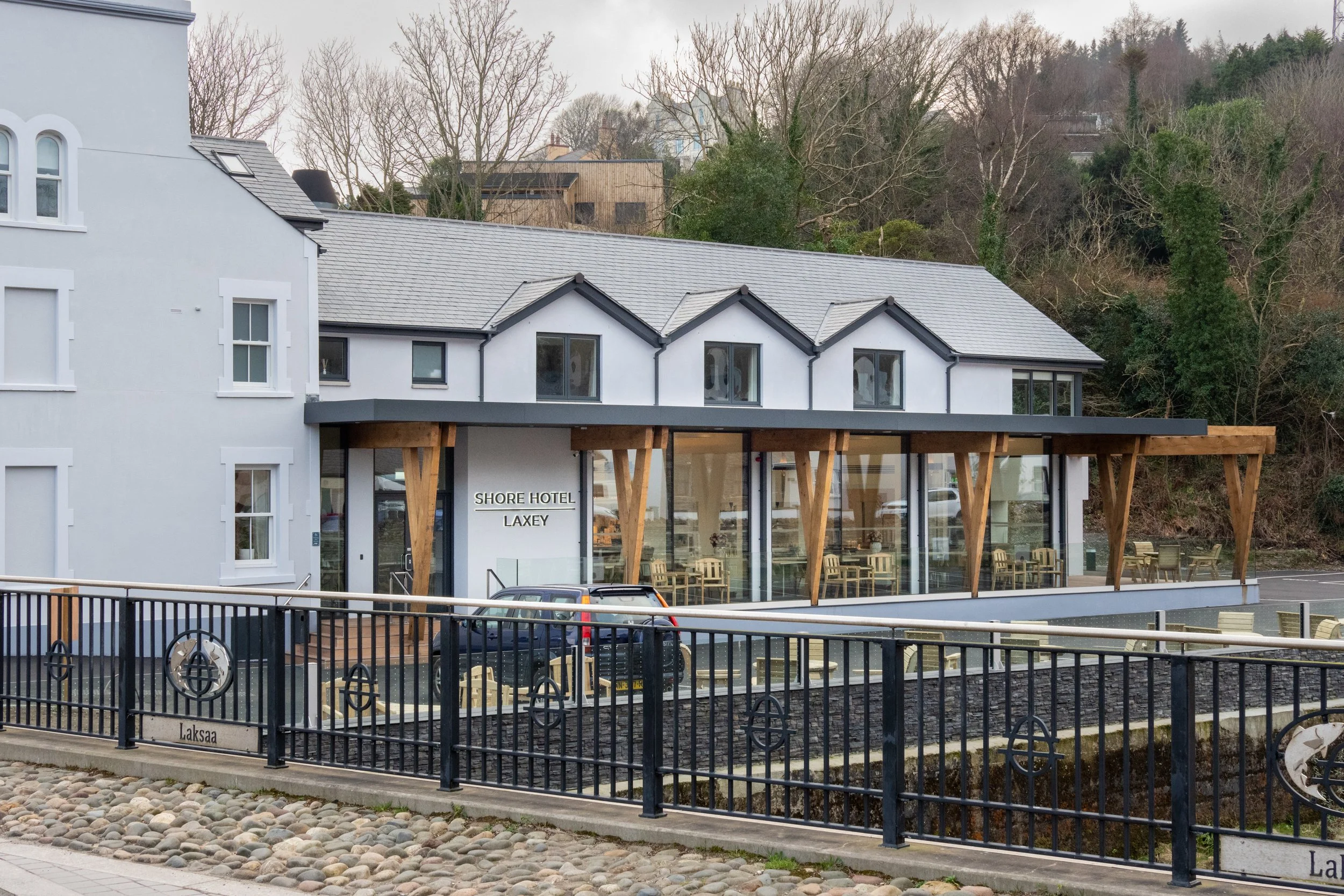
Overall, the scheme establishes a clear hierarchy: a traditional, carefully preserved frontage that contributes positively to the conservation area, and a modern extension to the rear that replaces unsympathetic buildings and improves both the function and appearance of the site. Now completed for some years, the project has proven successful in use, supporting the ongoing operation of the building while sitting comfortably within its conservation‑area setting and demonstrating how carefully judged interventions can protect historic character while allowing buildings to adapt to contemporary needs.